WE OR WE (NIY ILI NIE) IN THE NEWSPAPER “SHUTOSH”: BOUNDARIES OF THE COLLECTIVE IDENTITY
The paper examines the use of niy/nie (we/we – on different stylis- tic levels of language) in Bulgarian National Revival literature as a means of constructing a journalistic voice and conferring representativeness on expres- sion in the press. The study is grounded in the satirical text “Niy ili nie” (“We or We” – on different stylistic levels) by Petko R. Slaveykov, published in the newspaper Shutosh in 1874, in order to trace how National Revival intellec- tuals constructed the categories of we and the others within the framework of the Bulgarian cultural community. The analysis focuses on stereotypes and the rhetorical strategies employed by these intellectuals to legitimize their place in the public and political discourse. Particular attention is paid to the role of the collective we in the Bulgarian press, with the aim of addressing the following question: to what extent does the language of the Revival function as a means of self-affirmation in opposition to external cultural influences and internal social tensions? The rhetorical functioning of niy and nie extends beyond the level of linguistic choice and emerges as a means of constructing a journalistic stance and conferring representativeness on expression in the Revival press.
WE OR WE (NIY ILI NIE) IN THE NEWSPAPER “SHUTOSH”: BOUNDARIES OF THE COLLECTIVE IDENTITY
-
-
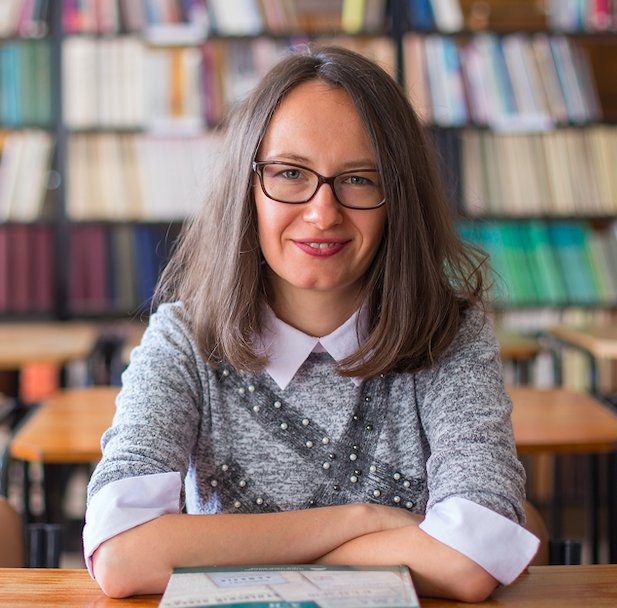
Andriana Spasova
- [email protected]
- Institute for Literature – Bulgarian Academy of Sciences
- Bulgaria
Andriana Spasova (1987) – PhD (2017), Assistant Professor (2018–2020), Chief Assistant Professor (2020) at the Institute for Literature, Bulgarian Academy of Sciences. She is a postdoctoral fellow of the National Program ‘Young Scientists and Postdoctoral Students’ with her project ‘Reception and Digitalization of the Unexplored Manuscript Heritage of Nayden Gerov’ (2019–2021). ‘Ancient Reminiscences in the Revival Literature’ (2020) is her first scientific book, defended as a doctoral thesis, which won second prize in the competition for Young Scientists (2021). Her research interest is related to the tracing of the first receptions of classical antiquity and its samples in the cultural-historical situation of the Bulgarian 19th century, the problems of national identity and cultural memory, handwritten textbooks and letters of Nayden Gerov.
-
-
 Abstract:
The paper examines the use of niy/nie (we/we – on different stylis- tic levels of language) in Bulgarian National Revival literature as a means of constructing a journalistic voice and conferring representativeness on expres- sion in the press. The study is grounded in the satirical text “Niy ili nie” (“We or We” – on different stylistic levels) by Petko R. Slaveykov, published in the newspaper Shutosh in 1874, in order to trace how National Revival intellec- tuals constructed the categories of we and the others within the framework of the Bulgarian cultural community. The analysis focuses on stereotypes and the rhetorical strategies employed by these intellectuals to legitimize their place in the public and political discourse. Particular attention is paid to the role of the collective we in the Bulgarian press, with the aim of addressing the following question: to what extent does the language of the Revival function as a means of self-affirmation in opposition to external cultural influences and internal social tensions? The rhetorical functioning of niy and nie extends beyond the level of linguistic choice and emerges as a means of constructing a journalistic stance and conferring representativeness on expression in the Revival press.
Subject: We for Others and for OurselvesKeywords: Bulgarian Revival journalism Shutosh newspaper Petko R. Slaveykov Marko Balabanov satirical commentary -
References
ARETOV, N. Natsionalna mitologia i natsionalna literaturа. Sofia: Kralitsa Mab, 2006.
GETOVA, E. Petko Slaveykov – Marko Balabanov: zhurnalisticheski vizii, politicheski posoki. – V: Literaturata: Obrazi i konteksti. Yubileen sbornik, posveten na 60-godishninata na profesor Tsvetan Rakovski. Sast. A. Vacheva, B. Ilieva, E. AzmanovaRudarska i dr. Veliko Tarnovo: Faber, 2019, s. 138–153.
GETOVA, E. “Po reda na novуy ni makaronicheskiy yazуka”: ezik i politika vav vestnik “Osten” (1879) (v saavtorstvo s Petya Karamfilova). – Nauchni trudove na PU “Paisiy Hilendarski”, t. 62, kn. 1, sb. A, 2024 – Filologia, Plovdiv: Plovdivsko universitetsko izdatelstvo, 2025, s. 95–106.
SLAVEYKOV, P. R. Chitalishte. Povremenno spisanie, izdavano ot Balgarskoto chitalishte v Tsarigrad. – Makedonia, IV, № 87, 10 okt. 1870, s. 2.
SLAVEYKOV, P. R. Niy ili nie. – Shutosh, I, № 18, 2 mart 1874.
SLAVEYKOV, P. R. Lichnostite. – Shutosh, I, № 19, 9 mart 1874, s. 154–155.
SLAVEYKOV, P. R. Preuspeyaniето na balgarskata zhurnalistika. – Shutosh, I, № 25, 20 apr. 1874, s. 198–200.
SLAVEYKOV, P. R. Chelovek spryamo chelovetsite. – Shutosh, I, № 32, 8 yuni 1874, s. 249–250.
SLAVEYKOV, P. R. Podlistnik AlaOsten. Nova gramatika ot yavorina. – Tselokupna Balgaria, 1879, № 20-21, s. 1–3.
SLAVEYKOV, P. R. Sachineniya. Palno sabranie. T. 4. Humor i satira. Pod red. na P. Dinekov i dr. Sast. S. Baeva. Sofia: Balgarska akademiya na naukite, 1973.
SLAVEYKOV, P. R. Sachineniya v osem toma. T. 2. Humor i satira. Pod red. na Tsv. Undzhieva. Sofia: Balgarski pisatel, 1978.